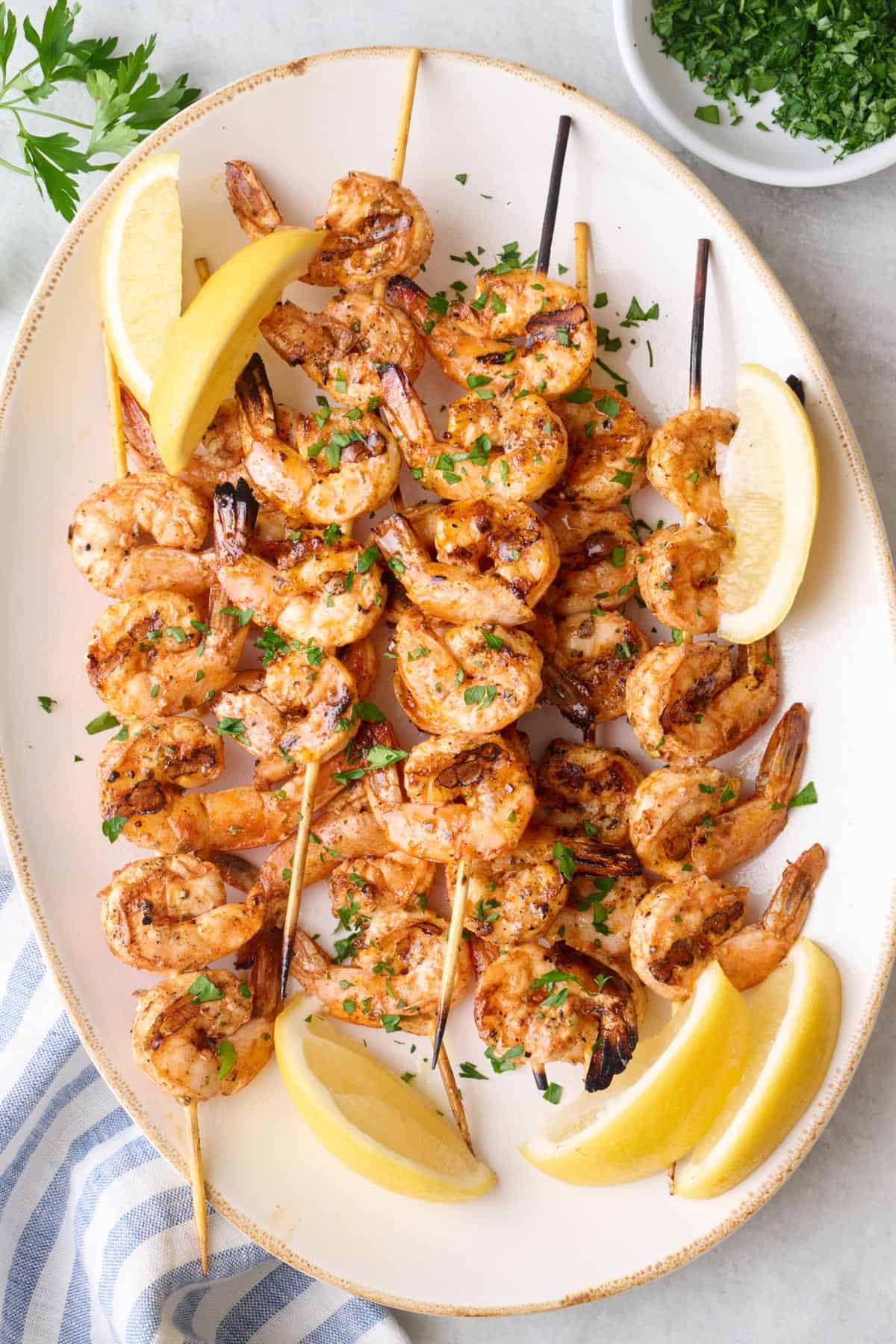
Grilled Shrimp Skewers: Elevating Your Summer Grilling Game
There’s an undeniable magic that happens when plump, succulent shrimp meet the sizzling heat of a grill. As grilling season reaches its peak, nothing quite captures the essence of summer enjoyment like perfectly cooked
grilled shrimp skewers. They're a celebrated staple at backyard barbecues and weeknight dinners alike, renowned for their incredible flavor, speedy preparation, and impressive presentation. Whether you're aiming for a zesty, garlicky burst or a subtle smoky sweetness, mastering the art of grilled shrimp comes down to two crucial elements: selecting the right shrimp size and crafting an unforgettable marinade.
These versatile gems effortlessly transform into a light, flavorful meal that looks as good as it tastes. The natural sweetness of shrimp provides a fantastic canvas for bold flavors, especially when infused with a vibrant marinade and kissed by the grill's char. The result is a juicy, slightly smoky bite that keeps everyone coming back for more.
Decoding the Best Shrimp Size for Grilling Success
Not all shrimp are created equal, especially when destined for the grill. The size of your shrimp plays a pivotal role in how they cook, their texture, and how well they hold up on a skewer. For optimal results, you want shrimp that are substantial enough to retain their shape and juiciness without overcooking too quickly or falling through the grates.
When you're shopping for the perfect shrimp for skewers, look for:
*
Large (31/35 count) or Extra-Large (26/30 count) per pound: These sizes strike the ideal balance. They're thick enough to get a beautiful sear and a smoky char on the exterior before the interior becomes tough. Smaller shrimp (like 41/50 or higher counts) are far more prone to drying out rapidly or even slipping off the skewer or through the grill grates. The numerical count refers to how many individual shrimp make up one pound, so a lower number means larger shrimp.
*
Peeled and Deveined: Save yourself valuable prep time by opting for shrimp that are already peeled and deveined. This ensures a clean eating experience and allows the marinade to fully penetrate the flesh. If you buy them unpeeled, you'll need to do this step yourself, which involves removing the outer shell and the dark digestive tract.
*
Tails On: While not strictly necessary for flavor, leaving the tails on offers several practical advantages. They provide a convenient "handle" for flipping on the grill and for guests to hold while eating. Aesthetically, they also give the skewers a more appealing, gourmet look.
*
Fresh vs. Frozen: While truly fresh, never-frozen shrimp from a reputable source (like a local fish market on the day it was caught) is ideal, good quality frozen shrimp are often a superior choice for most consumers. Why? Because "fresh" shrimp at a supermarket might have been previously frozen and thawed, sitting on ice for several days. Frozen shrimp are typically flash-frozen shortly after being caught, locking in their freshness. Always thaw frozen shrimp completely in the refrigerator overnight or under cold running water before marinating and grilling.
*
Wild-Caught vs. Farm-Raised: Whenever possible, opt for wild-caught shrimp. They generally offer a firmer texture and a more pronounced, natural shrimp flavor compared to their farm-raised counterparts. Prioritize sustainably sourced options to support responsible fishing practices.
Choosing the right shrimp sets the stage for a truly exceptional grilling experience.
Crafting the Perfect Marinade: Beyond Lemon-Garlic Butter
The marinade is the heart and soul of any great
grilled shrimp skewers recipe, infusing the delicate seafood with vibrant flavors and helping to keep it moist during cooking. While there are countless variations, the classic lemon-garlic butter combination remains a perennial favorite for good reason. It’s simple, balanced, and perfectly complements the shrimp’s natural sweetness without overpowering it.
Mastering Lemon-Garlic Butter Grilled Shrimp Skewers is a skill every home cook should acquire.
Here’s a breakdown of the core ingredients and how they work, along with tips for expanding your marinade repertoire:
*
Melted Butter: The foundational element, butter provides a rich, silky base that beautifully coats the shrimp. It helps create those coveted golden-brown edges and contributes to a succulent texture.
*
Fresh Lemon Juice: This is where the brightness comes in. Lemon juice adds essential acidity, cutting through the richness of the butter and enhancing the shrimp's flavor profile. It also has a subtle tenderizing effect.
*
Minced Fresh Garlic: For a truly robust flavor, don't shy away from several cloves of fresh garlic. It imparts a savory depth that is absolutely crucial to the marinade's character.
*
Red Pepper Flakes: A pinch of red pepper flakes adds a welcome zing and subtle warmth. You can adjust the quantity based on your preference for heat.
*
Salt: Non-negotiable! Salt enhances all the other flavors and brings out the natural sweetness of the shrimp.
*
Fresh Parsley (Minced): Added at the end, fresh parsley brightens the dish with an herbaceous note and a pop of vibrant green color.
Expanding Your Marinade Horizons:
While the lemon-garlic butter is superb, don't be afraid to experiment. The beauty of grilled shrimp is their versatility. Consider these variations:
* **Spicy Chipotle-Lime:** Combine olive oil, lime juice, minced chipotle peppers in adobo, cumin, smoked paprika, and a touch of honey for a smoky, spicy kick.
* **Asian-Inspired Ginger-Sesame:** Whisk together soy sauce (or tamari), sesame oil, rice vinegar, grated fresh ginger, minced garlic, and a hint of brown sugar for an umami-rich glaze.
* **Mediterranean Herb:** Mix olive oil, lemon zest, oregano, thyme, rosemary, and a dash of white wine vinegar for an aromatic, earthy profile.
Marinade Tips:
*
Don't Over-Marinate: Shrimp are delicate. While a good marinade adds flavor, acidic marinades can "cook" or turn the shrimp mushy if left too long. Aim for 20-30 minutes, or up to an hour for more intense flavor, but no longer than that.
*
Pat Dry Before Marinating: For optimal flavor absorption and searing, pat the thawed shrimp dry with paper towels before adding them to the marinade.
*
Use a Non-Reactive Container: Always marinate in a glass bowl, ceramic dish, or a re-sealable plastic bag to prevent any metallic flavors from leaching into your shrimp.
Expert Tips for Grilling Flawless Shrimp Skewers
Grilling shrimp is incredibly fast, which means precision is key to avoid overcooking. Here are some pro tips to ensure your skewers turn out perfectly every time:
*
Pre-Soak Wooden Skewers: If using wooden skewers, soak them in water for at least 30 minutes before threading. This prevents them from burning on the grill. Metal skewers are a great reusable alternative and don't require soaking.
*
Thread Evenly: Thread the shrimp onto the skewers by piercing them twice – once near the tail and once near the head – forming a "C" shape. This helps them stay secure and cook evenly. Don't overcrowd the skewers; leave a little space between each shrimp for even heat distribution.
*
Preheat Your Grill: A hot grill is essential for getting that beautiful char and quick cook time. Preheat your grill to medium-high heat (around 400-450°F or 200-230°C).
*
Clean and Oil the Grates: Always start with clean grill grates to prevent sticking. Once hot, lightly oil the grates with a high-smoke-point oil (like canola or grapeseed) by dipping a paper towel in oil and wiping it across the grates using tongs.
*
Grill Quickly: Shrimp cook in minutes! Place the skewers directly over the heat. Grill for 2-3 minutes per side, or until the shrimp turn opaque pink and curl into a loose "C" shape. If they form a tight "O" shape, they're likely overcooked.
*
Don't Overcook: Overcooked shrimp become rubbery and tough. The moment they turn pink and opaque, they're done. Pull them off the grill immediately.
*
Serving Suggestions: Grilled shrimp skewers are incredibly versatile. Serve them as an appetizer, a main course with jasmine rice and a refreshing mango salsa, or alongside a crisp green salad. They're also fantastic tucked into tacos or piled on top of pasta. For more ideas and fast recipes, check out
Quick & Juicy Grilled Shrimp Skewers for Summer BBQs.
*
Garnish: A sprinkle of fresh parsley or a squeeze of extra lemon juice right before serving adds a final flourish of flavor and visual appeal.
Conclusion
Grilled shrimp skewers are more than just a dish; they're an experience – a taste of summer, quickly prepared and bursting with flavor. By carefully selecting large or extra-large shrimp and mastering a simple yet potent marinade, you unlock the full potential of this beloved seafood. With a few expert grilling tips, you can confidently turn out juicy, smoky, perfectly charred shrimp that will impress guests and satisfy cravings. So fire up that grill, thread those perfectly sized shrimp, and get ready to enjoy one of the season's most delightful culinary offerings.